This is Beckmans
At Beckmans, our work and teaching are grounded in the belief that design is essential to shaping the present and the future.
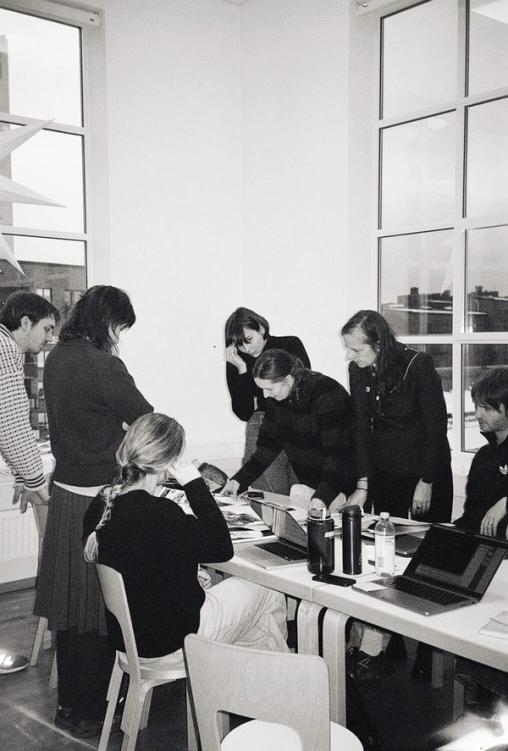
Beckmans gives you the tools to develop your creative practice—and, ultimately, to help shape the future. Education at Beckmans College of Design is grounded in artistic practice, with creativity and making at its core. Theory and practice go hand in hand. Craft meets technology. Digital and physical realities coexist. Teaching is exploratory and includes critique and reflection on your own development, both individually and in groups. Practical work and personal development are emphasised, with critical thinking at the heart of the learning experience.
Collaborations
At Beckmans, we believe in collaboration, exchange and learning from one another. That is why we work with industry, organisations and other partners beyond the school, as well as across our degree programmes when the course format allows. Our practising lecturers teach from their own professional experience, while guest lecturers bring specialist expertise—together creating a strong network. Sustainability is integral to everything we do at Beckmans.
Design – a foundational industry
Design is part of Sweden’s cultural and creative industries, whose businesses contribute to sustainable growth and prosperity. The cultural and creative industries (CCIs)—which naturally include product design, fashion and visual communication—form a key part of Sweden’s economy. They generate growth, exports and employment within these fields, while driving innovation and creating value across other sectors.





1939–present
Beckmans was founded in 1939 by Anders Beckman, Göta Trägårdh, Carl Axel Virin and Bibi Lindström. Together, they formed the school’s first teaching team, with Anders Beckman as its director.
Anders Beckman (1907–1967) studied at Tekniska Skolan (now Konstfack) in Stockholm. After graduating in 1930, he founded an advertising agency and developed a keen interest in innovative exhibition techniques and product presentation. He is perhaps best known for the visual identity he created for the H55 exhibition in Helsingborg. For the 1939 New York World’s Fair, he commissioned a three-metre-high Dala horse to serve as the entrance to the Swedish pavilion. Göta Trägårdh (1904–1984), the school’s principal fashion teacher, also studied at Tekniska Skolan, as well as at the Royal Swedish Academy of Fine Arts. Göta Trägårdh worked as a fashion illustrator and textile pattern designer. Her bold, colourful patterns made a significant impact on the Swedish market. She also designed retail interiors, exhibitions and window displays for Swedish fashion companies including Märthaskolan and Sidenhuset. For a time, she was fashion editor of Bonniers månadstidning.
External collaboration
From the outset, the programmes were shaped by collaboration with companies and institutions. Beckmans’ teachers were active professionals with extensive connections, giving students valuable industry networks while they were still studying. The aim was to build bridges between art and industry, industry and the public, and innovative ideas and wider audiences. Anders and Göta believed that the art of shaping ideas was central to society’s development. We still believe that today.
Following Anders Beckman’s death in 1967, his wife Nunnie Beckman continued to run the school. In the mid-1980s, Anders Beckmans Skola AB was established, with a number of Swedish design-focused companies as its principal owners, including H&M, IKEA and the Kjell and Märta Beijer Foundation, owner of Svenskt Tenn. In 1992, the Form programme was launched under the direction of interior architect and furniture designer Jonas Bohlin.
Both a college and a foundation
In 2003, Beckmans applied to the Swedish government for degree-awarding powers, which were granted. The school received state funding and adopted the name Beckmans College of Design. Tuition was now free of charge.
Since autumn 2015, Beckmans Skola AB has been owned by the Beckmans College of Design Foundation. The Foundation has one sole purpose: to appoint the board of Beckmans Skola AB, the non-profit company that operates Beckmans College of Design as an independent higher education provider. The founders of the Beckmans College of Design Foundation are Susanne Beckman, Agnès-Rosa Beckman, IKEA of Sweden, Marc O’Polo, the Kjell and Märta Beijer Foundation, IDR Scandinavia, Lowe Brindfors, H&M AB, the Beckmans College of Design Association, the Robert Weil Family Foundation, the Daniel Sachs Foundation, KING, and Forsman & Bodenfors. In August 2022, the College moved to Agavägen 54 on Lidingö.
Owners & Board
The Board of Beckmans Skola AB & Beckmans Akademi AB:
Leif Sorte (Chair)
Johan Ejdemo (Design Manager, IKEA of Sweden)
Anna Norling, Head of Design, Weekday
Oskar Pernefeldt (Creative Director, Oatly)
Bella Rune (Artist)
Maria Veerasamy (CEO, Svenskt Tenn)
Pär Engsheden (Employee Representative)
Elisabet Yanagisawa (Employee Representative)
Karina Ericsson Wärn (Co-opted Member, President and CEO of Beckmans Skola AB & Beckmans Akademi AB)
Terese Larsson (Co-opted Member, Chief Financial Officer)
Student Representative (appointed by the Student Union)
learning environment
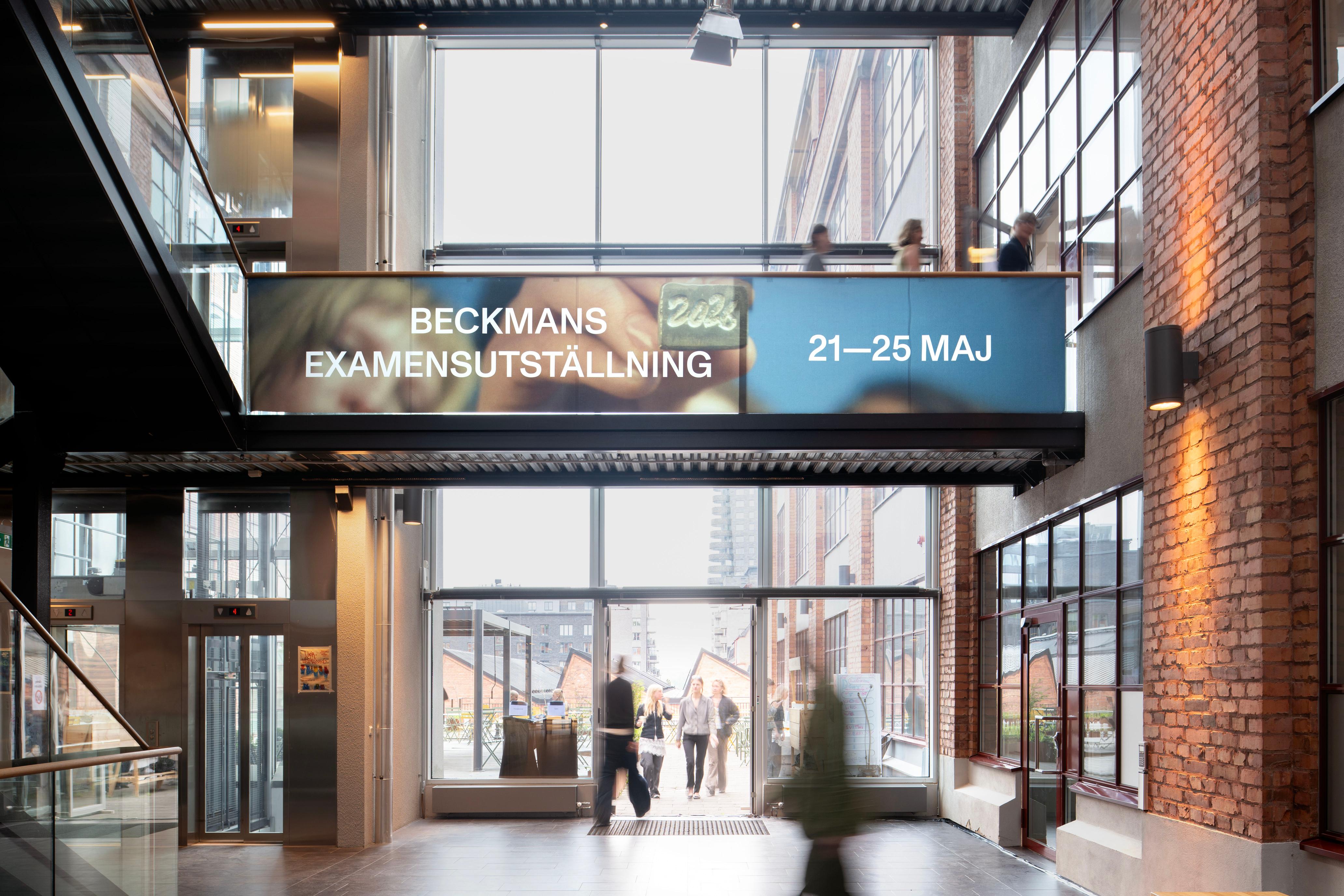
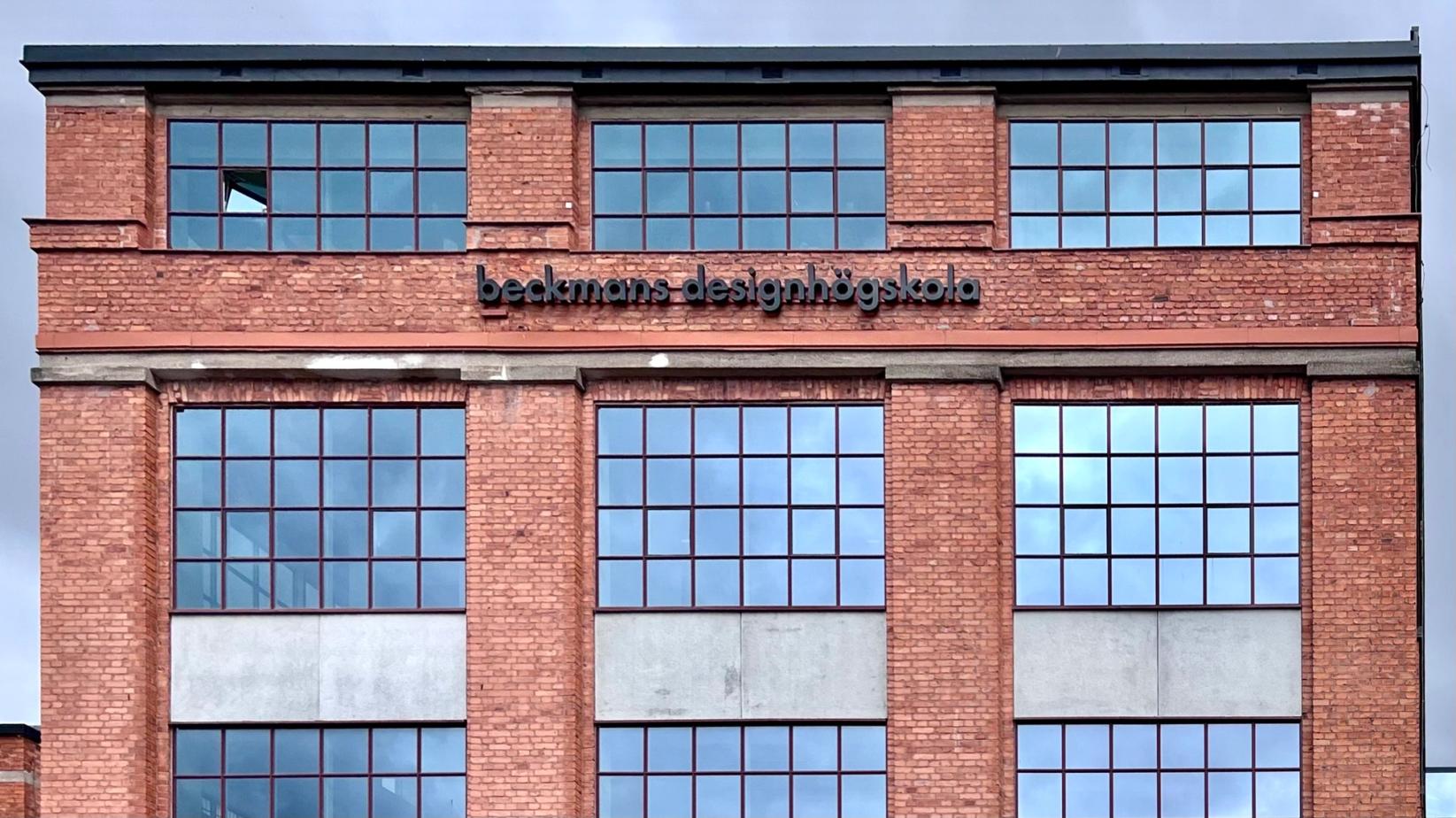
On 1 August 2022, Beckmans moved to the historic AGA site on Lidingö. A landmark of Sweden’s industrial heritage, the imposing brick building from 1912—with its generous spaces and abundant natural light—feels made for creative work.
Studios and workshops
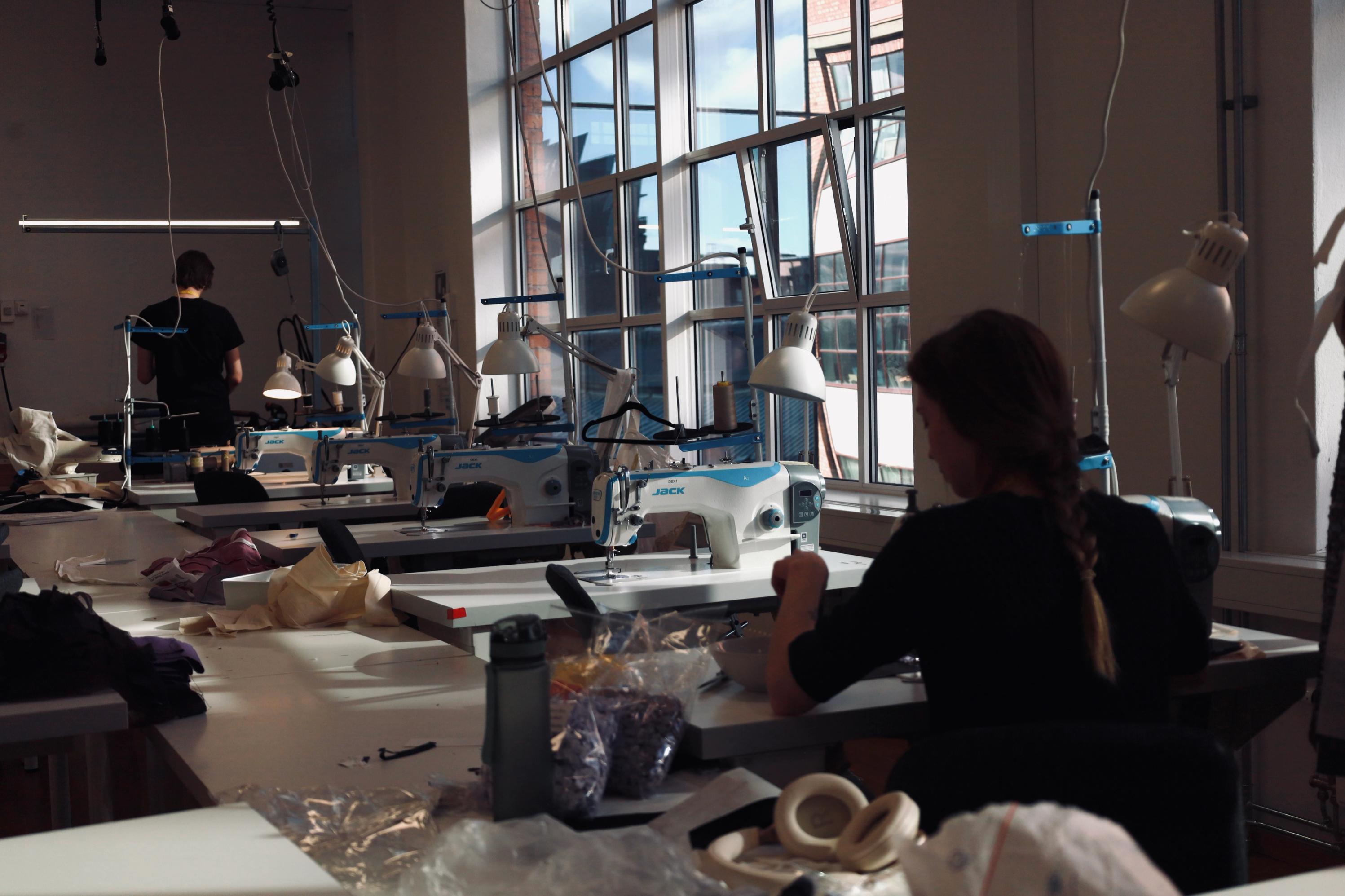
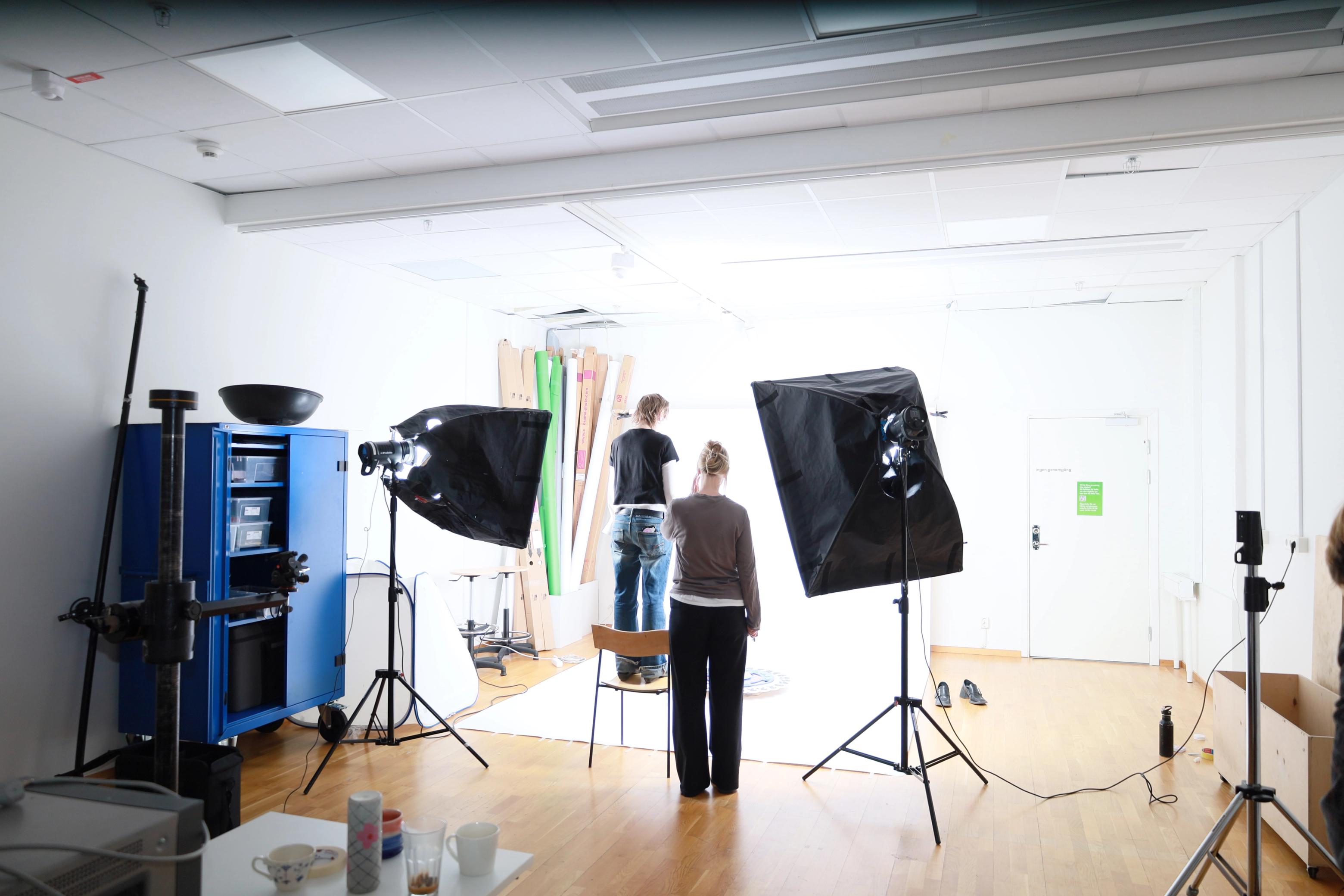
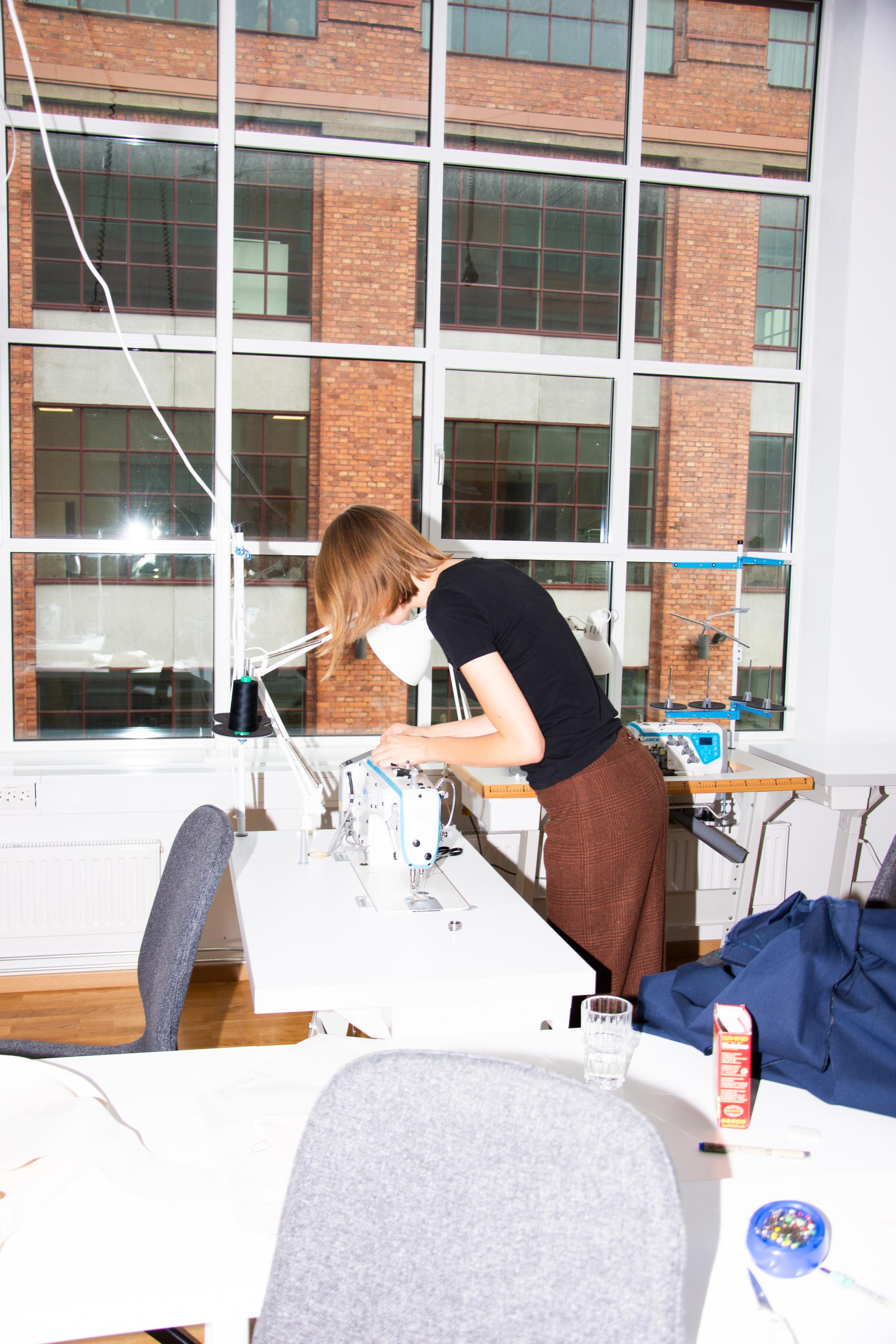
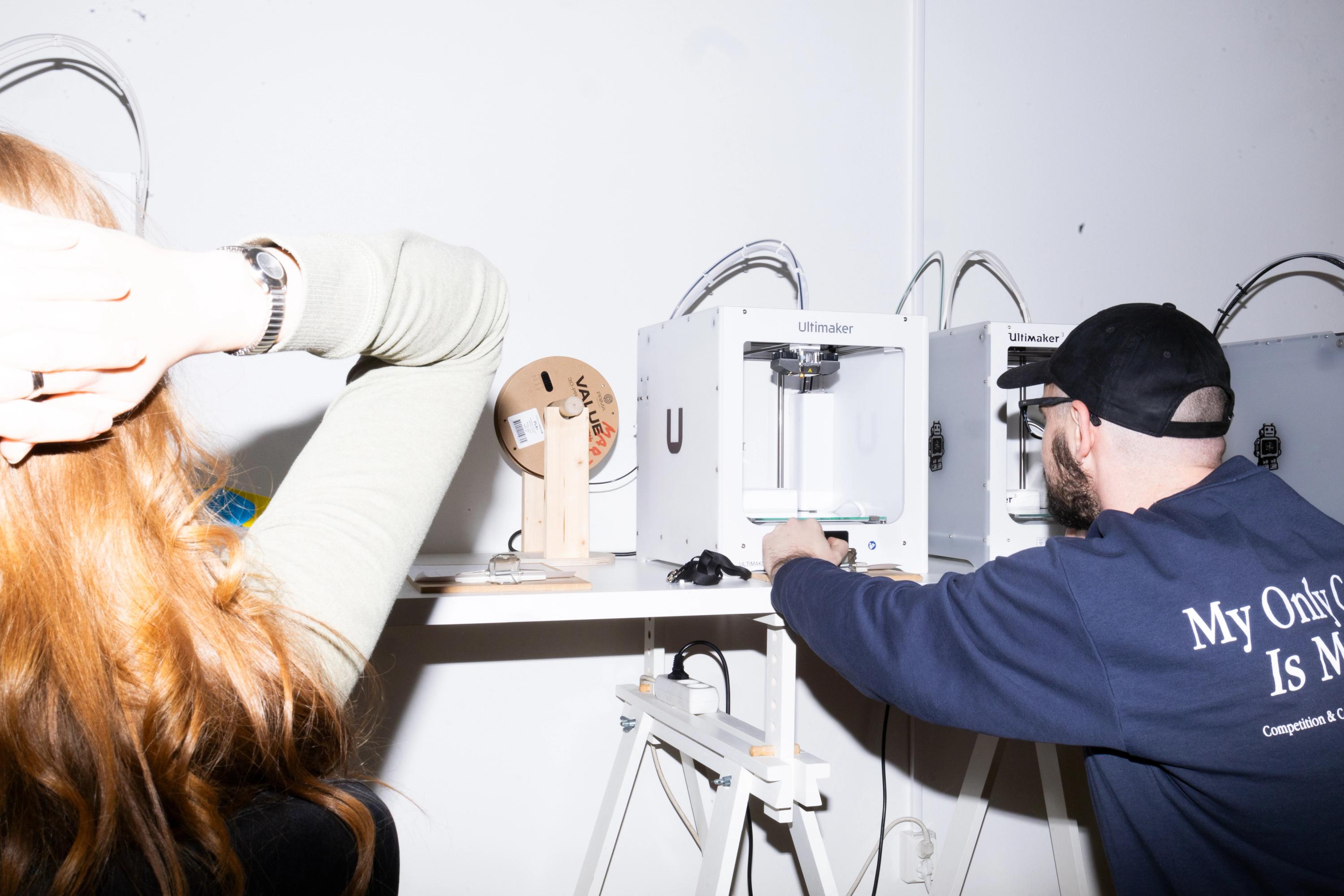
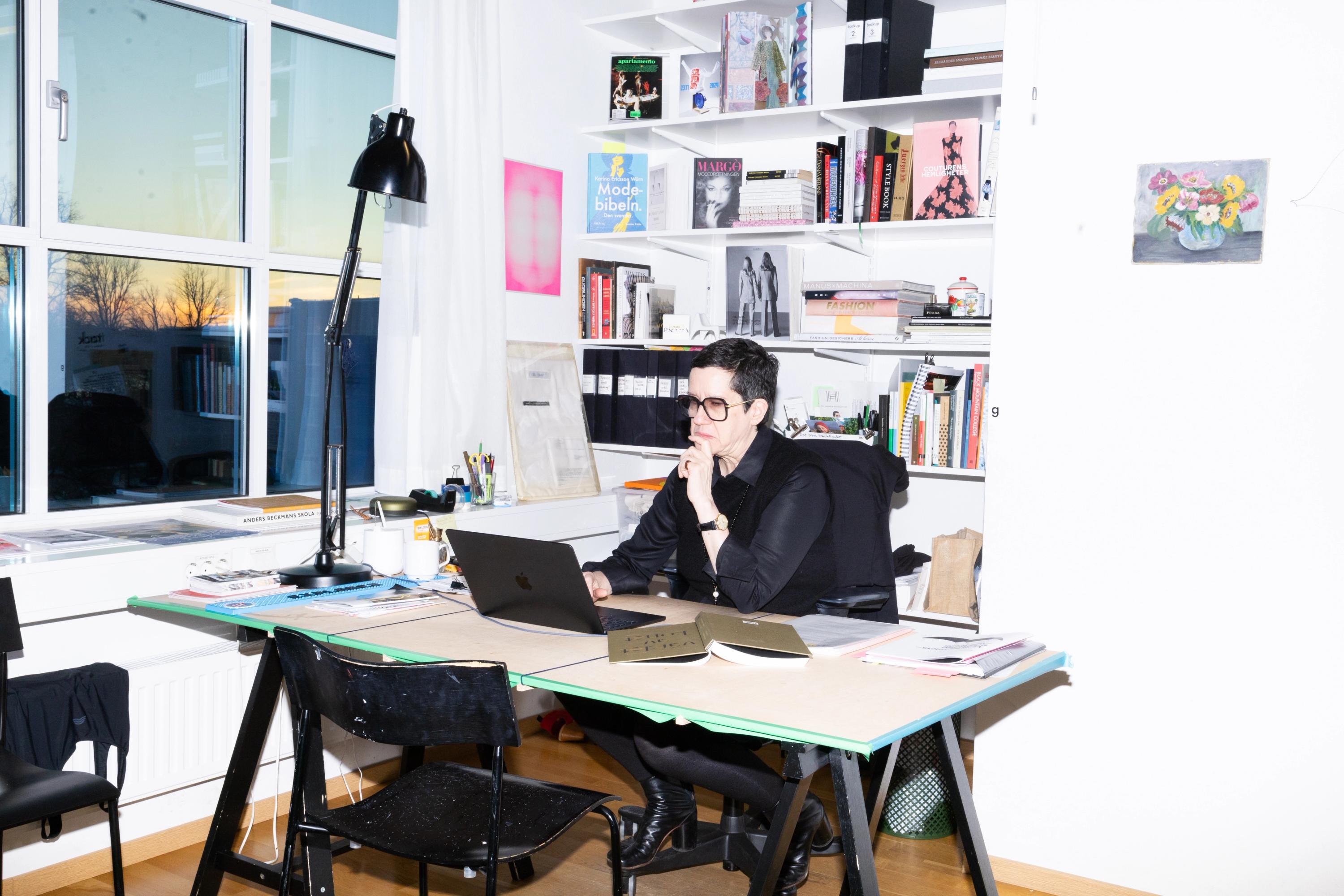
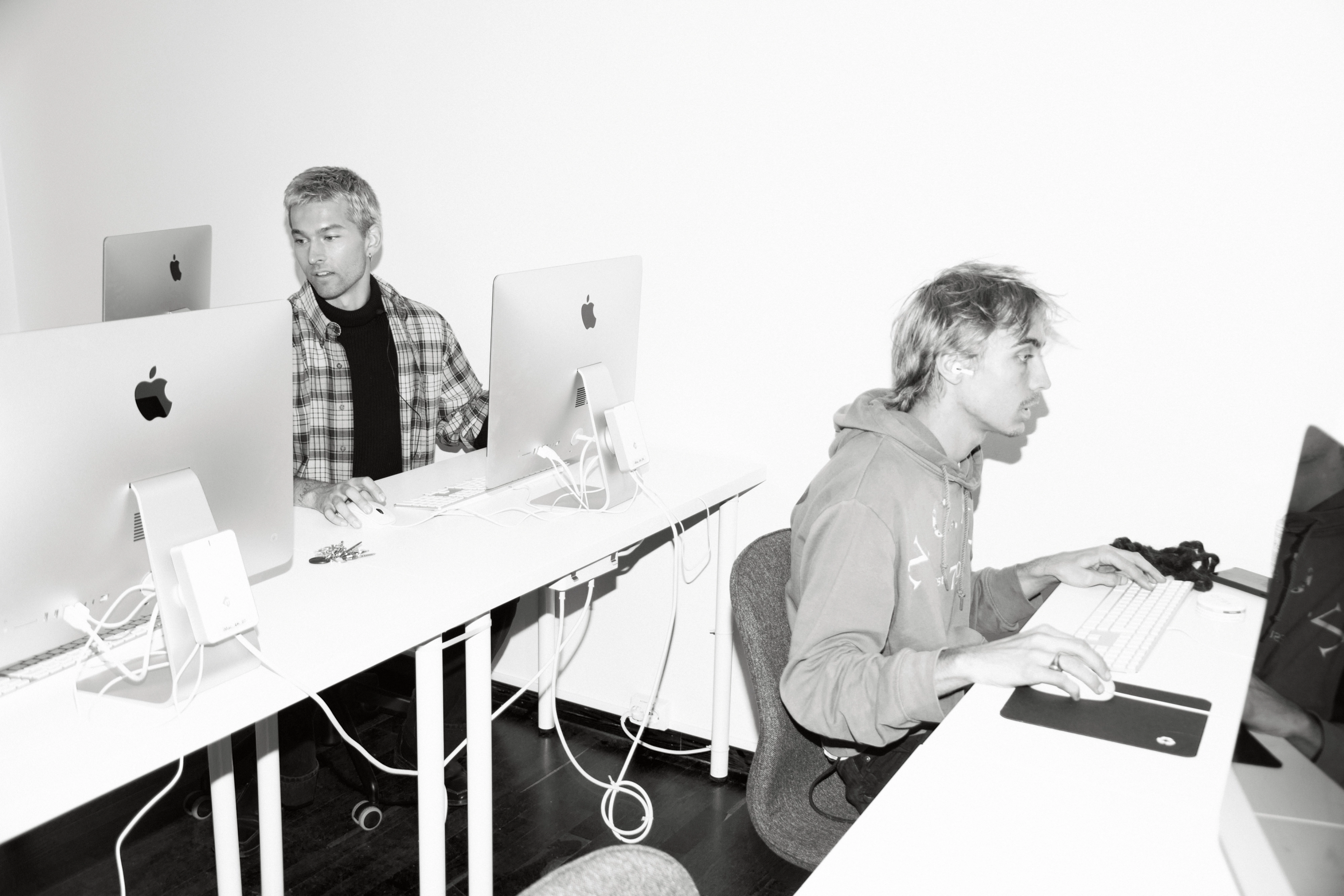
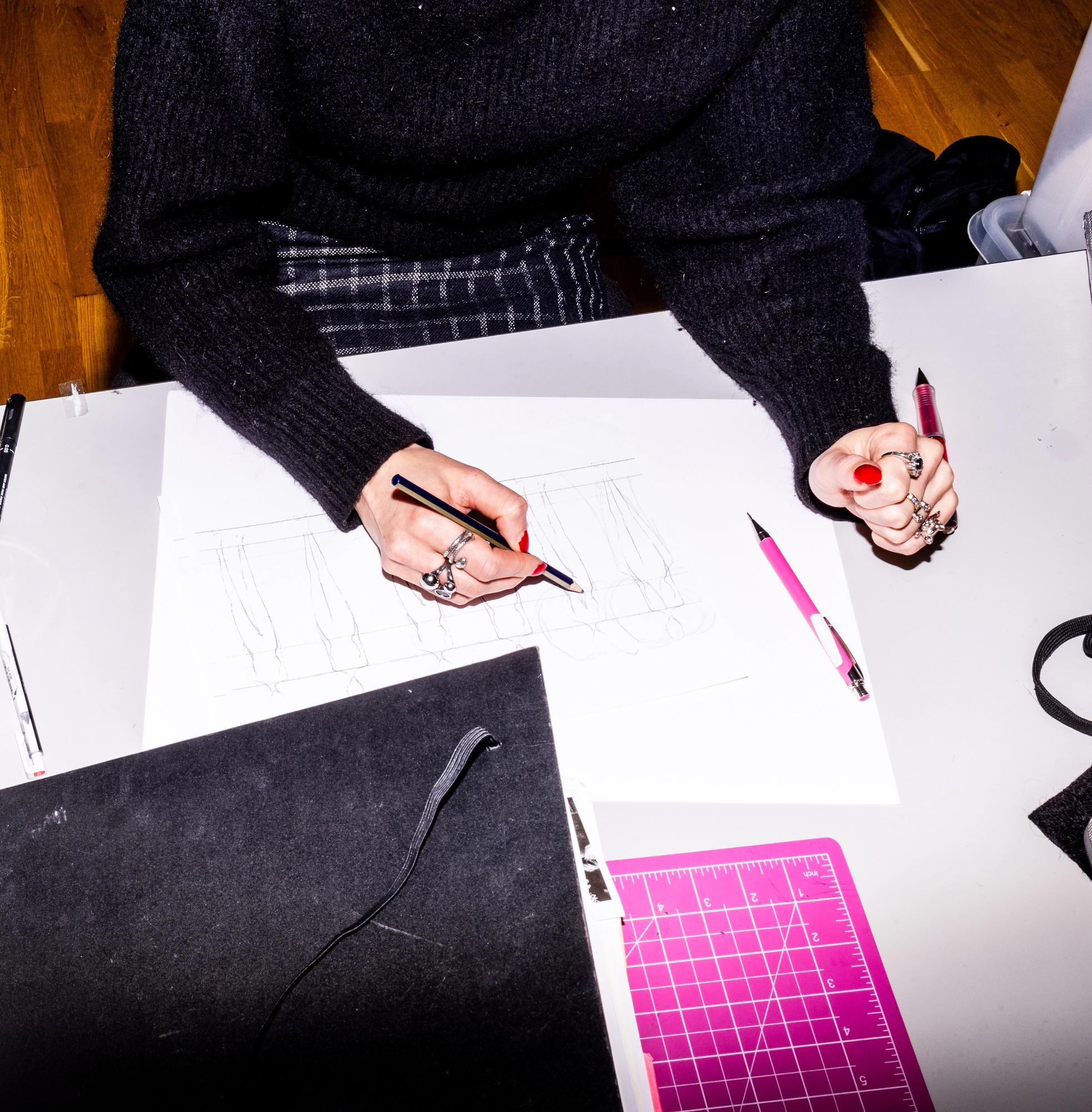
Beckmans provides a safe, sustainable and stimulating environment, with flexible spaces and labs where disciplines, students, staff and visitors can come together, exchange ideas and grow. Every student at Beckmans College of Design has their own workspace, as well as access to project rooms, workshops and studios relevant to their programme. These include wood and metal model-making workshops, 3D printers, a knitting workshop, photography studio, computer labs, editing suites, sewing rooms and a draping studio.
Shared spaces
The auditorium, life drawing room and lecture rooms are shared spaces used for everything from project work to exhibitions.
Sustainable creativity
As the world’s population grows, more people must share its resources. This makes the need for new design solutions increasingly urgent—and sustainability essential to every project seeking to shape a better future.
Designers’ ability to make a difference is central
Across the school’s design disciplines—product design, fashion and visual communication—the focus is always on developing creative solutions, forms of expression and ways of communicating. A key responsibility and driving force for designers is to help shape a more humane, inclusive and sustainable world.
A designer’s capacity to shape change is central to how we educate tomorrow’s creative practitioners. Designers have a significant influence on everything from materials and processes to packaging and use. Both innovative prototypes and small changes across large production volumes can have a decisive impact on sustainability. Beckmans College of Design therefore continually develops its programmes to keep them at the forefront of the field.
Sustainability goals integrated into the quality assurance system
Beckmans takes a project-based approach, with authenticity at the heart of its work: throughout their studies, students undertake real-world projects in close dialogue and collaboration with industry and organisations. Teaching is rooted in the studio model, while authenticity is both the foundation and a key strength of the College’s approach to sustainability. Sustainability goals are integrated into Beckmans’ quality assurance system.
Beckmans College of Design also works actively to limit its climate impact and reduce carbon emissions. This is reflected both in clear sustainability criteria across the curriculum and in day-to-day life on campus, with staff and students contributing to the effort.
Beckmans Library
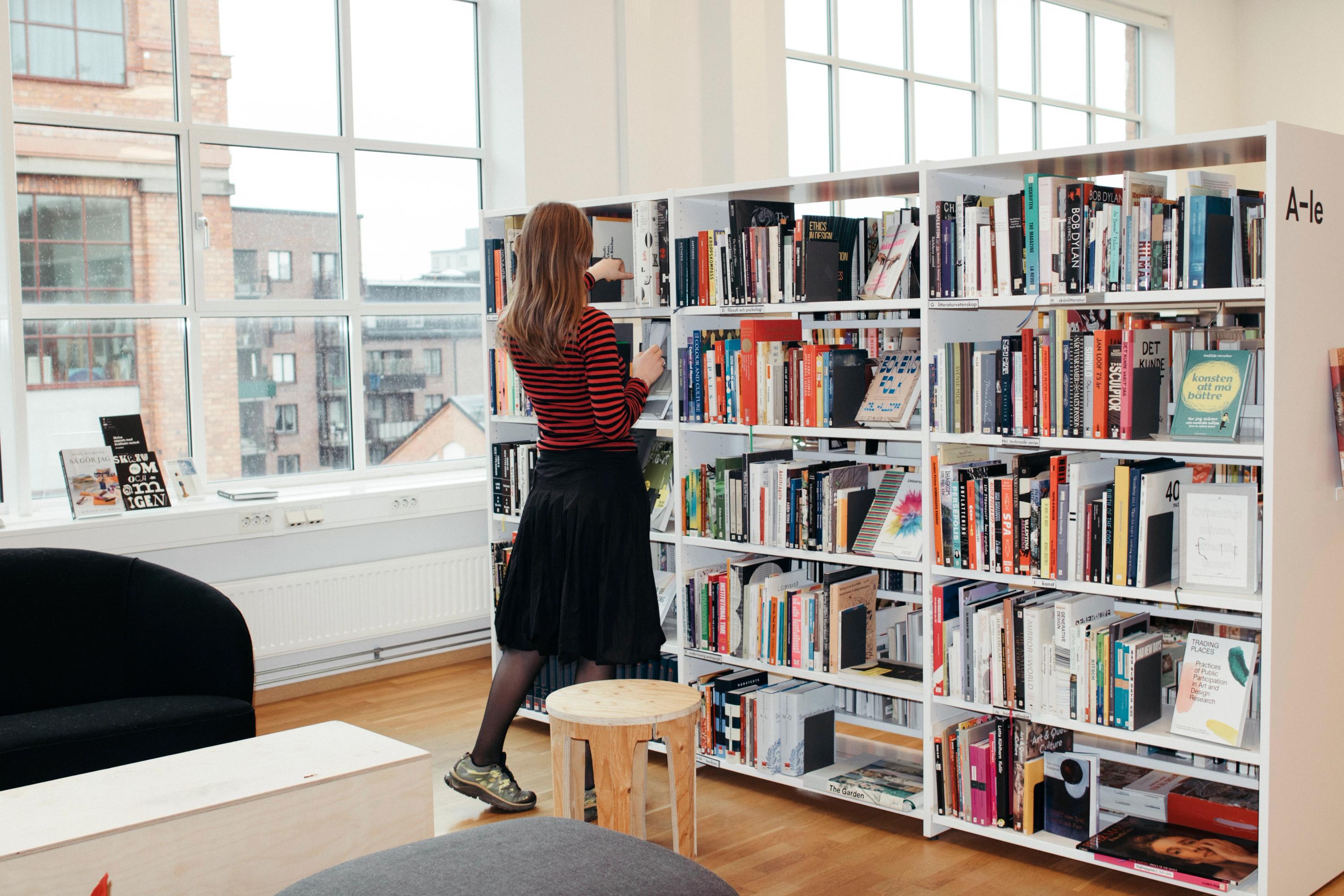
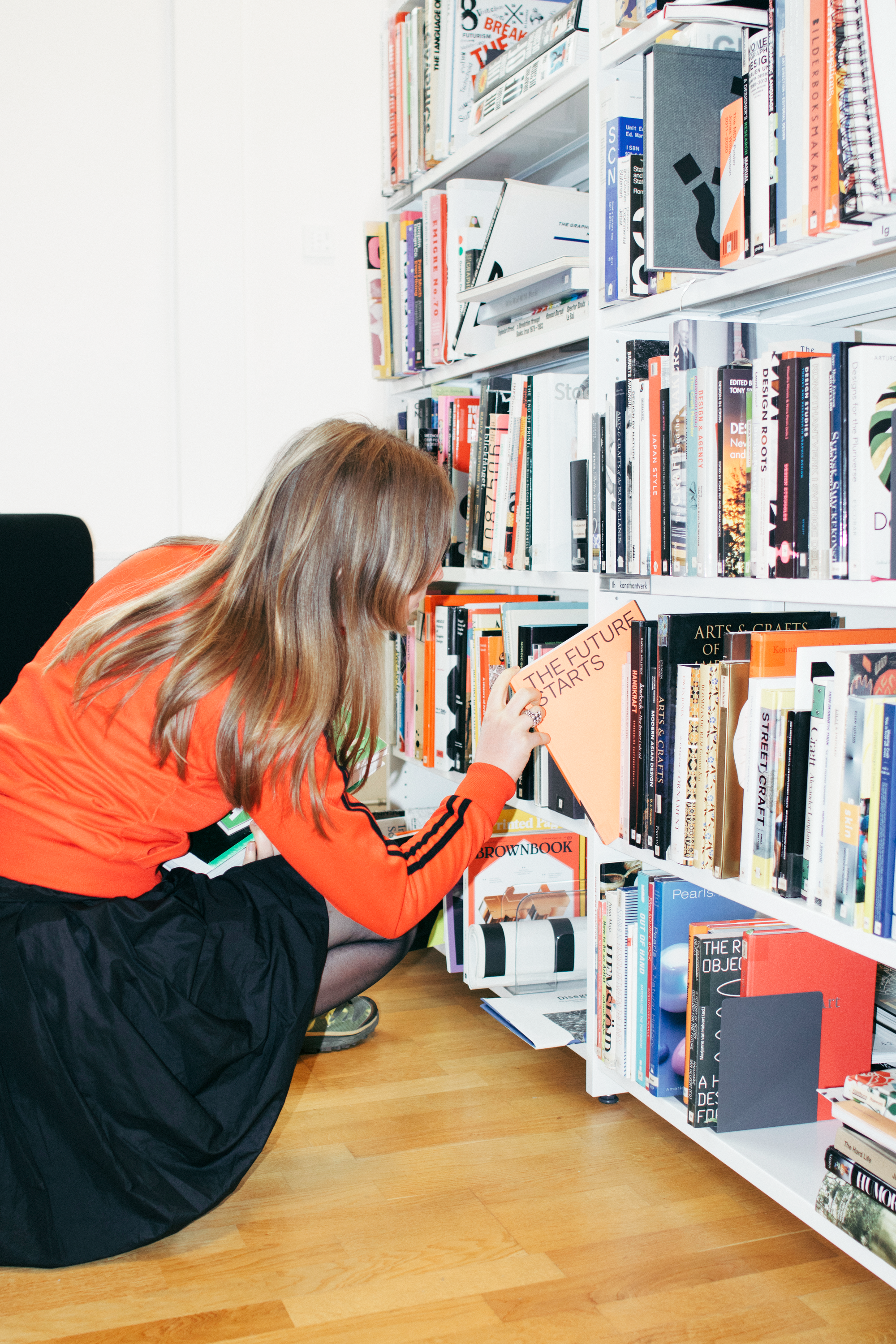
The Beckmans library offers books, journals and databases covering the school’s subject areas: product design, fashion and visual communication.
Beckmans’ physical library holds a wide range of books and journals covering the school’s fields of study. But the library itself is only one small part of a broader body of knowledge. Below, you will find information about the library, along with 50 links to online resources organised into ten categories, offering access to further knowledge. You can explore books and current research, browse historical collections, and search for objects and materials. If you need help with your search, please contact Beckmans librarian Stefan Zachrisson.
Opening hours and staffing
The library is available to students, teaching staff and other employees, and is open during the College’s opening hours. A librarian is available on Tuesdays and Thursdays from 9:30 am to 4:30 pm, and on Wednesdays from 12:30 pm to 6 pm.
Contact

Erasmus +
As a student at Beckmans College of Design, you can apply for funding for international study and other opportunities covered by Erasmus+.
You can primarily apply for an internship at a company or organisation as part of your programme’s internship course. As a recent graduate, you may be eligible for Erasmus funding for an internship abroad, provided you apply before receiving your degree. Erasmus+ funding must be applied for and approved well before you travel. Applications cannot be made retrospectively.